
Overview
Drug addiction is one thing that can seemingly transform a person into someone you no longer recognize. In most cases, the user loses sight of who they are as well. The grip of cocaine on the life of a person is cold and unrelenting. Long after the desire to use has passed the requirement of the body to have the drug to function becomes apparent. The psychological and physiological dependence on cocaine is both difficult and dangerous to escape. An attempt at quitting without medical assistance could cause grave results. Those at risk for Cocaine Dependence include those of many backgrounds. Those that begin use prior to age 18 have a four times higher risk of becoming dependent with women being at least twice as likely as men. The likelihood of a dependence forming is also contingent on the way a person uses cocaine. When it is injected or smoked the user has a greater chance of developing Cocaine Dependence while those who inhale it through their nose have lower instances of dependence. The likelihood of dependence occurring is also tied to the frequency and amount of cocaine used. In any case, once dependence occurs, the longer a person uses the less likely treatment will be successful.
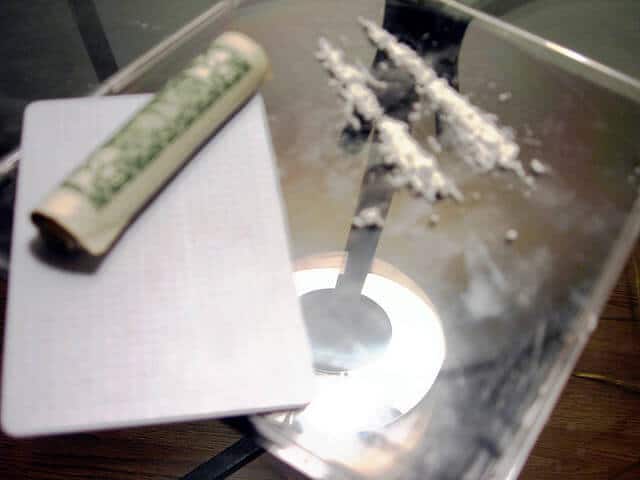
Symptoms
Symptoms of Cocaine Dependence include those that occur while the person is using and those that happen when they are going through withdrawals. The euphoric effects of cocaine only last for a short period of time and consistent use is required to continue the desired effects. Cocaine is a stimulant and has an effect similar to caffeine but is more intense. When higher doses of cocaine is used the user can experience auditory, visual and tactile hallucinations. Tactile hallucinations include a feeling of bugs crawling under the skin and may lead to scratching or cutting into the skin for relief. Therefore, signs of cocaine use may be scars or fresh wounds on the skin. For those that inject cocaine there are also the marks left on the skin from the hardening of veins and scar tissue in the places of injection. Those that do not want this obvious indicator might inject the drug under finger or toe nails or places covered by hair or clothing. Mood changes are usually dramatic and differ greatly from the normal personality of the user. Aggression and irritability are usually seen with use as well as insomnia and uncontrolled tics or jitters. When a person is going through withdrawals it is likely to seen as flu-like symptoms. The person might exhibit chills, nausea, depression, anxiety, and physical weakness. There may be an inability to function and a need to sleep for long periods of time. Often the person will succumb to the cravings, knowing that use will alleviate these symptoms, and will use even if they no longer want to. When the use has reached a point in which the user no longer has control then it will be necessary to get medical and psychological treatment for Cocaine Dependence.
Treatment
There is no one treatment that has been shown to work in the majority of cases of Cocaine Dependence. Medical withdrawal from cocaine is often necessary to lower the risk of major medical complications including death. This can be done in a licensed facility or a hospital where there is 24 hour medical surveillance. In some cases complete medical withdrawal is not possible due to the lasting damage and dependence created by long term cocaine use. In those cases it is usually necessary for the person to be medicated long term just to function. There is often damage done to neurotransmitters with extended use and certain ones may be depleted. This can cause symptoms similar to depression and schizophrenia without medication. Cognitive Behavior Therapy is the most used form of treatment and is most effective on an inpatient basis.
Image Credit: https://www.flickr.com/photos/29049518@N02/2713792963
