 Advanced Psychology Services
 ADHD Assessments
Comprehensive ADHD assessments for children, teens, and adults. Diagnose attention issues, executive function challenges, and working memory difficulties. Serving York Region and the Greater Toronto Area (GTA).
This page is about ADHD testing for children. For information on ADHD assessments for adults and on how ADHD manifests in adults, please visit this page.
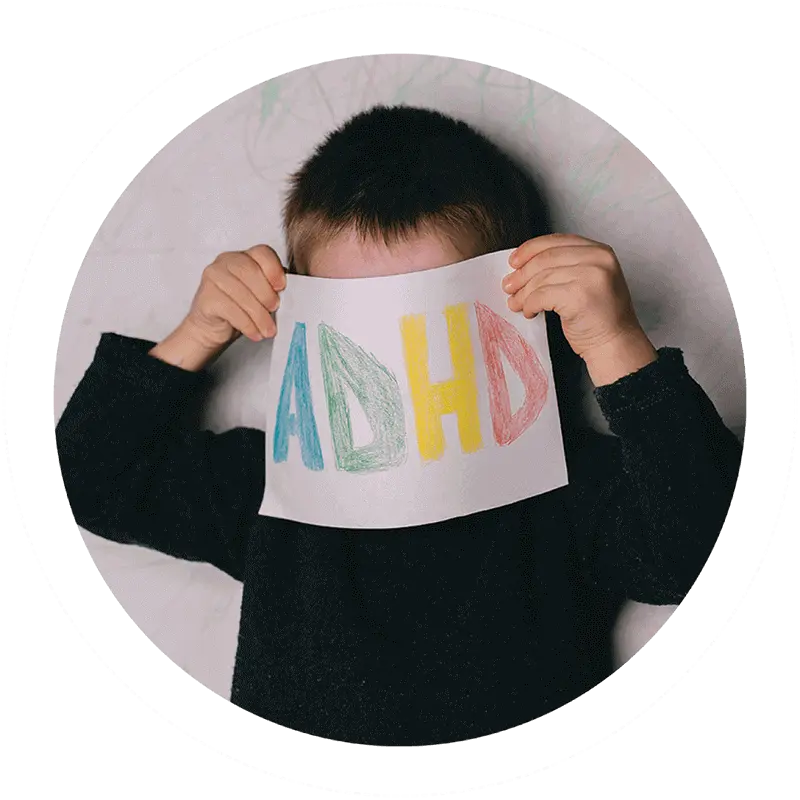
ADHD can affect every part of a child’s life, from friendships and learning to self-esteem and even safety. Many children with ADHD are bright and creative, but symptoms like distractibility, impulsivity, and emotional reactivity can interfere with their potential. Behaviors such as fidgeting in class, forgetfulness, and frequent outbursts may begin to overshadow their strengths.
Not all children with ADHD display the same symptoms. Clinically, ADHD is categorized into three types: Inattentive (trouble focusing and staying on task), Hyperactive-Impulsive (constant movement and acting without thinking), and Combined. ADHD can also present differently in girls than in boys, making it easy to miss or misinterpret. That’s why a comprehensive ADHD assessment by a licensed psychologist is essential for accurate diagnosis and effective support.
Wondering if your child needs an ADHD assessment? Try our Free Online Screening For Children to to determine if an assessment is right for them.
What are the benefits of an ADHD assessment?
A comprehensive ADHD assessment is crucial for accurately identifying the unique challenges associated with this common neurodevelopmental disorder. Such an assessment not only pinpoints specific difficulties but also provides valuable insights into the most effective strategies for managing symptoms and enhancing overall functioning. With an accurate diagnosis, tailored interventions can significantly improve a child's quality of life and educational outcomes.
Unlike quick assessments, which typically involve filling out a few forms and a short consultation lasting less than an hour, comprehensive evaluations conducted in our centre include parent/client interviews, multiple questionnaires, in-depth testing, and a detailed report, offering a more accurate and thorough diagnosis. Brief assessments may have some value for adults seeking medication access, they are generally insufficient for children, who require a more detailed evaluation to ensure appropriate support and interventions.
While many concerned parents adopt a "wait and see" approach, delaying diagnosis can cost valuable time. Evaluating the severity and persistence of ADHD in a child's early years can minimize its long-term adverse effects. Instead of intervening only once a child falls behind, parents and teachers can take early action, thereby preserving the child's confidence and self-esteem.
Another important reason for ADHD testing at an early age is to rule out other diagnoses. Several mental illnesses have the same symptoms as ADHD. For example,
symptoms of bipolar disorder are often mistaken for ADHD, especially in adolescents. Depression can mirror distractibility. Over-excitability sometimes indicates an anxiety disorder. Social difficulties, learning disabilities, and fine-motor skill impairments are also commonly mistaken for ADHD. A thorough ADHD evaluation at an early age prevents clinicians from misdiagnosing or failing to detect other issues.
ONLINE ADHD SCREENING TEST
© Copyright 2016-2024. Advanced Psychology Services Inc. - psy-ed.com
ADHD: A Thumbnail Sketch
ADHD is a complex neurodevelopmental disorder that typically manifests before the age of seven and often persists into adulthood. Understanding of its etiology is limited, but the fact that it runs in families suggests a genetic basis. Although the environment can influence the expression of symptoms, ADHD is not a product of failed parenting, social media or video gaming addiction, or a sugary diet. However, all of the above factors can affect the severity of symptoms.
Symptoms of inattention
include the following:
- Frequently misplacing or losing things
- Daydreaming
- Difficulty staying focused on tasks that require mental effort
- Failure to notice details
- Boredom and lack of interest in activities that require effort
- Poor listening skills, interrupting others
- Careless mistakes
- Disorganization
Symptoms of hyperactivity
include the following:
- Constant multitasking
- Quickly switching form one activity to another
- Squirming and fidgeting
- Quick temper and emotional explosiveness
- Difficulty relaxing and playing quietly
- Moving around inappropriately
- Excessive chattiness
- Poor body awareness (not noticing when feels hungry or cold)
It is important to note that Hyperactivity is one symptom of ADHD that many children outgrow with maturity but Inattention typically remains a lifelong trait.
Testing for ADHD: What to Expect
Recent studies have shown differences in brain patterns of people with ADHD, however, the condition cannot be diagnosed with a brain scan. Neither is there a single universal test that can deliver an airtight diagnosis. In order to establish an accurate diagnosis, an ADHD assessment needs to be individualized and multifaceted.
ADHD assessment typically consists of the following components:
- Parent interviews about the child's developmental background and history
- Child interviews
- Behavioral observations that include questionnaires and self-report measures completed by parents, teachers and the child (when age-appropriate)
- Intelligence testing to identify patterns associated with ADHD
- Motor skills test to rule out other disorders and gather other information about the extent of ADHD impact
- Memory tests
- Medical records
- Measurement of visual and auditory attention
- Measurement of executive functions such as planning, impulse control and cognitive flexibility
- Screening of social-emotional funcitoning

ADHD testing results can be used to tailor a special education plan.
Diagnostic ADHD evaluation provides a detailed and nuanced understanding of a child's unique cognitive profile, behavioral tendencies, and specific challenges associated with this condition. With these insights, educators, parents, and other specialists can craft an educational plan that directly addresses the child's needs. Such tailored strategies might involve adjustments in teaching or tutoring methods, individualized instruction, the use of specialized learning tools, or additional classroom support to optimize the child's learning potential.
Furthermore, a personalized educational plan based on ADHD test results empowers the child by playing to their strengths and providing supportive frameworks for their areas of challenge. For instance, a student with ADHD might have a sharp visual memory but struggle with auditory instructions. Recognizing this through test results, educators can incorporate more visual aids and hands-on learning experiences, while also offering written or visual representations of spoken instructions. This not only enhances the child's ability to grasp and retain information but also bolsters their confidence and enthusiasm for learning. With tailored educational plans in place, students with ADHD can thrive academically, building a foundation for future success.
Useful Tools and Tips


